
From Drawing to Painting - Summer Term
with Sophie Newnham
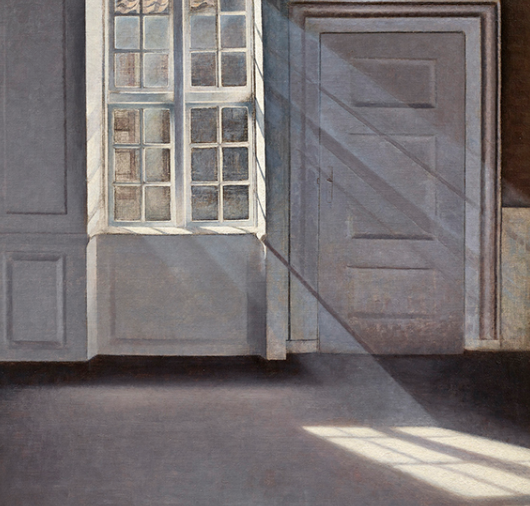
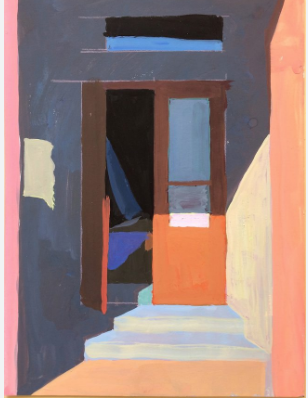
Join us to explore the basics of how artists use oils and acrylics to capture light and atmosphere. From the quiet, softly lit interiors of Vilhelm Hammershøi, we will move into the sunlit, colour-rich worlds of Emil Joseph Robinson, learning to handle paint and painting materials, mix pigments, paint shadows and light and compose expressive, luminous paintings.
Open to all levels including complete beginners: develop your skills in drawing and painting while taking inspiration from great artists!
Course Dates: 7-9:30pm each Monday
Part 1 - Drawing: 20, 27 April
4, 11 18 May
(Half Term 25 May)
Part 2 - Painting: 1, 8, 15, 22, 29 June
6, 13 July
Course Programme: “Capturing Light”
Part One: Drawing - Quiet Light and Interior Space
Inspired by Vilhelm Hammershøi
Skills covered: Drawing, coloured pencil, oil and acrylic paint
Week 1 – Observing Quiet Light
Introduction to the theme of light in painting. Looking at Hammershøi’s interiors: stillness, restraint and atmosphere. Tonal drawing exercises focusing on light and shadow. Pencil studies of simple interior spaces referencing the work of Hammershøi.
Week 2 – Structure, Tone & Composition
Exploring how Hammershøi uses doors, walls and floors to structure space. Observation and drawing in the studio. Pencil studies and introducing a limited, muted palette with coloured pencils. Understanding tonal hierarchy (light, mid-tone and dark).
Week 3 – Colour Temperature & Subtle Shifts
Warm and cool greys and neutrals. Using graphite, coloured pencils and paint to suggest light without strong colour. Layering and blending techniques. Small studies focusing on soft tonal transitions. Referencing ‘The Music Room’ vs ‘Dust Mites Dancing in the Sunbeams’
Week 4 – Introducing Paint
Translating drawing into paint. Working with paint layers to maintain softness. Mixing restrained cool and warm colour palettes. Blocking in large shapes before adding detail.
Week 5 – Light on Surfaces
Painting light on walls, floors and architectural forms. Exploring soft and hard edges. Refining tonal contrast while maintaining subtlety. Developing a longer interior study. Focus on calm composition, structure and atmosphere.
Part Two: Painting - Sunlit Interiors & Framed Views
Inspired by Emil Joseph Robinson
Skills covered: oil and acrylic painting, colour mixing, expressive use of light
Week 6- Understanding The Palette-
Mixing the palette based on works by Robinson. Small colour studies.
Week 7 – Framing Light: Windows & Doorways
Introduction to Robinson’s work. Using windows and doors as compositional devices. Sketching framed views and interior/ exterior contrasts. Planning compositions with strong light sources.
Week 8 – Colour & Light
Understanding how light affects colour. Mixing colours for sunlit areas and shadow. Introduction to complementary colour pairs. Small painted studies exploring contrast.
Week 9 – Shadow as Colour
Moving beyond grey shadows. Using complementary colours to create depth. Painting cast shadows and reflected light. Exploring warm light and cool shadow relationships.
Week 10 – Building Structure in Paint
Underpainting and blocking-in techniques. Establishing composition before detail. Balancing light, colour and form. Developing a larger painting.
Week 11 – Refinement & Atmosphere
Adjusting colour harmony and contrast. Strengthening focal points using light. Refining structure and composition. Individual guidance on colour and compositional choices.
Week 12 – Finishing Paintings & Reflection
Completing a sunlit interior or window view. Emphasis on confident use of colour, light and shadow. Group discussion reflecting on progress and contrasting approaches to painting light.
All necessary materials will be provided for your first session.
Materials provided throughout the course: Pencils- Hs to Bs; rubbers; palettes and water holders.
Recommended materials to obtain:
Pencils
Sketch book or Drawing Paper
https://www.amazon.co.uk/Cartridge-Recycled-Artists-Sketching-BCreative/dp/B06XDPH5R9?pd_rd_w=0ILAP&content-id=amzn1.sym.d0717e0b-3155-4816-8b3a-aeac19a59dfd&pf_rd_p=d0717e0b-3155-4816-8b3a-aeac19a59dfd&pf_rd_r=CESADSAB8HFDB3BV1PGG&pd_rd_wg=DjDMj&pd_rd_r=23f3c6be-a993-444e-beac-d33df99b0705&pd_rd_i=B06XDPH5R9&psc=1&ref_=pd_bap_m_grid_dv_rp_0_6_pr_pr1_t
Brushes
https://www.amazon.co.uk/STARVAST-Brushes-Supplies-Watercolor-Painting-Pearl/dp/B073RDR5Z7?pd_rd_w=5Bq1B&content-id=amzn1.sym.939fa429-0734-41c7-bd7f-f746a3559017&pf_rd_p=939fa429-0734-41c7-bd7f-f746a3559017&pf_rd_r=386T2VXRRHS6BBSZJ0YN&pd_rd_wg=REufV&pd_rd_r=0b0f3705-4290-4108-bdde-d4b618e8d910&pd_rd_i=B073RDR5Z7&psc=1&ref_=pd_bap_m_grid_dv_rp_0_4_pr_pr1_i
Tortillons/ blending stumps
https://www.amazon.co.uk/Blending-Tortillion-Blenders-Student-Drawing/dp/B088BKHRKZ?pd_rd_w=5Bq1B&content-id=amzn1.sym.939fa429-0734-41c7-bd7f-f746a3559017&pf_rd_p=939fa429-0734-41c7-bd7f-f746a3559017&pf_rd_r=386T2VXRRHS6BBSZJ0YN&pd_rd_wg=REufV&pd_rd_r=0b0f3705-4290-4108-bdde-d4b618e8d910&pd_rd_i=B088BKHRKZ&psc=1&ref_=pd_bap_m_grid_dv_rp_0_19_t
Watercolour set
https://www.amazon.co.uk/Winsor-Newton-Cotman-Sketchers-Pocket/dp/B00004THXI/ref=mp_s_a_1_1?crid=TEGRGLSJA3IG&dib=eyJ2IjoiMSJ9.gXWSbO1ODDDXZKS-FtlcMIwEBItrFql-rf0R-FaKBYZmQ3KApE49NU_FGZOZB23PLy60hduX-mm3DMzEqrOGltCjw8602rgZ7ctPulc4IMNuytcDDrL1i2DavIQuWCRc8W2f_NLjGlmlfgNQ5E5eEUBHn1Crfr9AqBetGhDHhGvWN3zlI4KEPb7O-ywO3A5dPR_HxsGqs0DyUeHJNTOZog.EIhOVVADU2H-Dn3mfxsbAvXzHuUHkMTLH5ITWOIP958&dib_tag=se&keywords=watercolour+set+windsor+and+newton&qid=1773141956&sprefix=watercolour+set+%2Caps%2C339&sr=8-1
Depending on preference, there are 2 options for paper, check the gsm number is 300gsm or higher.
Watercolour paper- smooth
https://www.cassart.co.uk/cass-art-jumbo-smooth-hot-press-watercolour-pad-300gsm-50-sheets-a4--c/?utm_campaign=Cass_Art_-_UK_-_EN_-_Shopping_-_PMAX_-_Promo&gad_source=1&gad_campaignid=22541389110&gclid=Cj0KCQjwgr_NBhDFARIsAHiUWr4LUUkVrLfqyykOroK-l4sJtzf_11IUdxMvVTTSOMGJ_v-BcpVj_PkaAvMlEALw_wcB
Or
Watercolour paper lightly textured
https://www.cassart.co.uk/cass-art-jumbo-gummed-watercolour-pad-300gsm-50-sheets-a4--c/?utm_campaign=Cass_Art_-_UK_-_EN_-_Shopping_-_PMAX_-_Promo&gad_source=1&gad_campaignid=22541389110&gclid=Cj0KCQjwgr_NBhDFARIsAHiUWr6vHD0Ihb5MVeQK8bFngvVK0eflhM8MZG0kWSflvtKJVZw7cwdf9xUaAtYJEALw_wcB
Or a cheaper option, these individual sheets of Watercolour paper:
https://www.amazon.co.uk/gp/aw/d/B0F13MR4RQ?psc=1&ref=ppx_pop_mob_b_asin_image
Tear off palette
https://www.amazon.co.uk/Tear-Off-Palette-Disposable-Painting/dp/B089QN8YCT/ref=asc_df_B089QN8YCT?mcid=a6c6bf6ce20a3583a150137e32ee9848&tag=googshopuk-21&linkCode=df0&hvadid=697276901408&hvpos=&hvnetw=g&hvrand=4317113384800467165&hvpone=&hvptwo=&hvqmt=&hvdev=m&hvdvcmdl=&hvlocint=&hvlocphy=9045945&hvtargid=pla-961883864564&psc=1&hvocijid=4317113384800467165-B089QN8YCT-&hvexpln=0&gad_source=1
Acrylics
If you’re planning on doing more painting, it’s probably worth getting an acrylic set like this:
https://www.amazon.co.uk/Winsor-Newton-Galeria-Acrylic-Packaging/dp/B00004THXG/ref=mp_s_a_1_3?crid=1I534D30PF29Q&dib=eyJ2IjoiMSJ9.huZqFWIH93n_MDZXNvz8jAnHqyHzbmc8Mi__R7Aq0Q0_775u-x37LFdYkjut0hSseD5sy3HRjYWYfD0Y0LI1mBfeVMCJIS_4C_syddsP-6zUhmJNeZUVExkAhrp5IrBwxBrFJAeyj4sK_JXCDS8jVlNYCUer8hbtzv9ZcAIqEydZhPRTx4lwRIoaYMFuyygsJiaX7HH7XyZ4D5GAQWc47g.WtbBKep2Y4p0Bz_olgwFS05UCl_YYqLQ9UqNUk731iA&dib_tag=se&keywords=acrylic+paint+galleria&qid=1773265454&s=kitchen&sprefix=acrylic+paint+galleria%2Ckitchen%2C261&sr=1-3
If not a smaller set like this would be a good starting point:
https://www.amazon.co.uk/MEEDEN-Beginners-Acrylic-Paint-Set/dp/B0DPLV4YKW/ref=mp_s_a_1_5_sspa?crid=1I534D30PF29Q&dib=eyJ2IjoiMSJ9.huZqFWIH93n_MDZXNvz8jAnHqyHzbmc8Mi__R7Aq0Q0_775u-x37LFdYkjut0hSseD5sy3HRjYWYfD0Y0LI1mBfeVMCJIS_4C_syddsP-6zUhmJNeZUVExkAhrp5IrBwxBrFJAeyj4sK_JXCDS8jVlNYCUer8hbtzv9ZcAIqEydZhPRTx4lwRIoaYMFuyygsJiaX7HH7XyZ4D5GAQWc47g.WtbBKep2Y4p0Bz_olgwFS05UCl_YYqLQ9UqNUk731iA&dib_tag=se&keywords=acrylic+paint+galleria&qid=1773265454&s=kitchen&sprefix=acrylic+paint+galleria%2Ckitchen%2C261&sr=1-5-spons&aref=EUOuT57gSB&sp_csd=d2lkZ2V0TmFtZT1zcF9waG9uZV9zZWFyY2hfbXRm&psc=1
Acrylic paper
https://www.amazon.co.uk/Painting-Tear-Out-Suppliers-Students-Beginner/dp/B0F389P3JS?pd_rd_w=L7JYx&content-